Hydraulic Dredging
Hydraulic Dredging Services
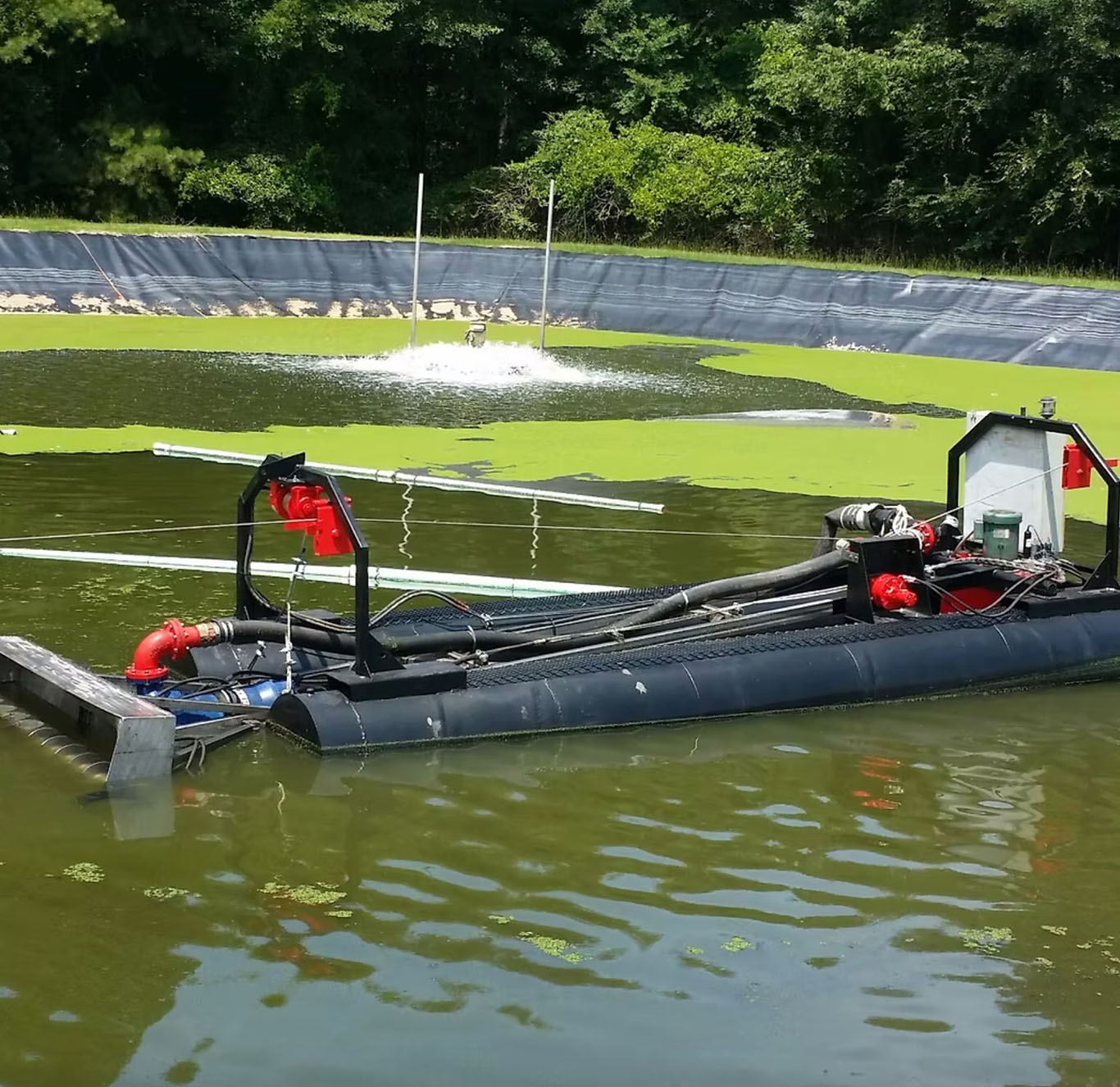
ECOR provides hydraulic dredging services that remove accumulated sludge and sediment from ponds, lagoons, basins and other impoundments. We map your site, design a dredging plan around it, and operate the dredge and support equipment to restore capacity while keeping your facility running.
Flexible Treatment
What Is Hydraulic Dredging?
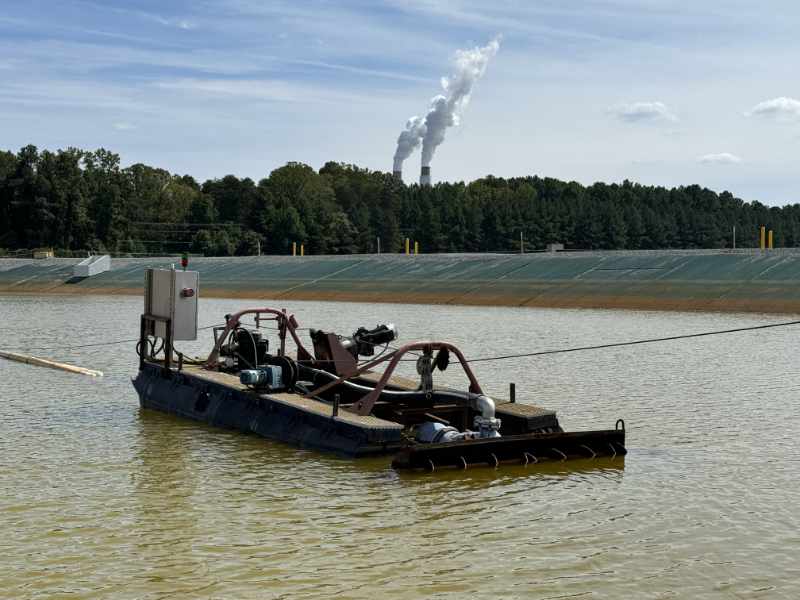
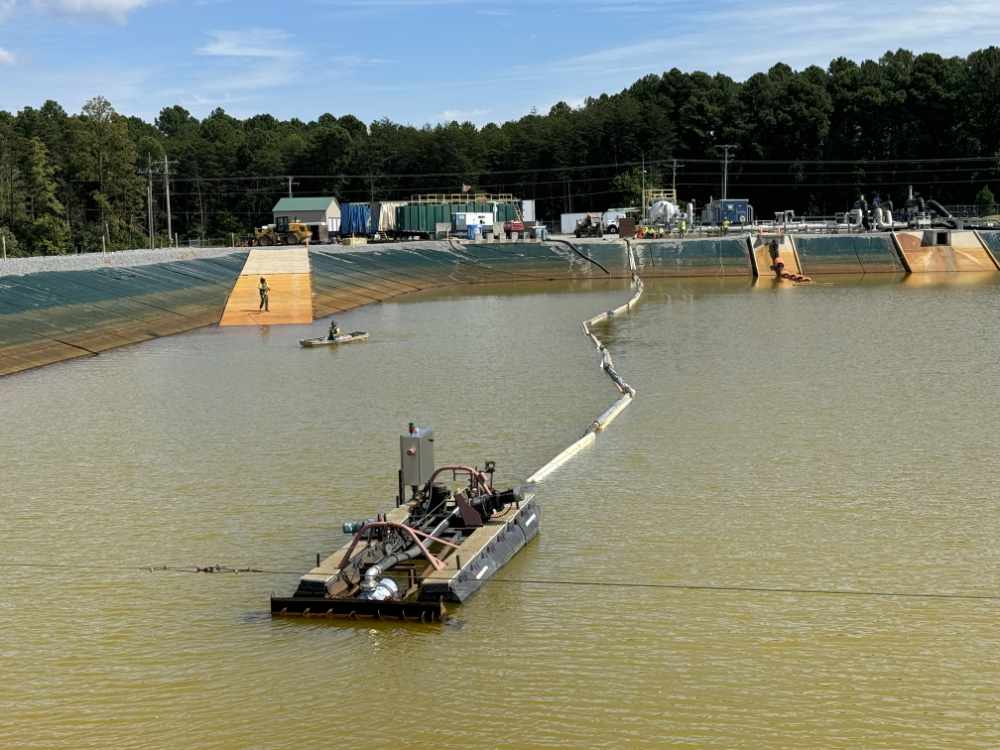
Hydraulic dredging uses a floating dredge to loosen settled sediment and pump it through a pipeline as a slurry. Because the work happens from the water's surface, ponds and lagoons often don't need to be drained, and the dredged material can go straight to dewatering for disposal.
Common Reasons Facilities Choose Hydraulic Dredging:
- Restoring lost capacity in ponds, lagoons, and basins
- Sediment buildup that reduces treatment performance
- Cleanouts where draining the impoundment isn't practical
- Regulatory closures or impoundment decommissioning
- Routine maintenance to prevent future overflows
How It Works
Our Hydraulic Dredging Process

Site Survey & Sludge Mapping
We measure water depth and sediment levels across the impoundment to estimate volumes and identify problem areas.
Sample Analysis
We collect and analyze sediment samples to understand solids content, chemical composition and disposal requirements.
Dredge Plan & Setup
We select the right dredge, pumps and piping for your site, then plan access, layout and discharge routing.
Dewatering & Disposal Planning
We pair dredging with dewatering and estimate final disposal volumes so you have a clear, cost-effective plan before the project starts.
Dredging & Project Completion
Our crews operate the dredge, monitor progress, and stay engaged until the target depth or volume is reached and the project is accepted.
Why Choose ECOR
Company-Owned Equipment
We own and operate the dredges and support equipment we deploy.
24/7 Staffing
Our crews can staff projects around the clock for continuous operation.
Minimal Disruption
Dredging from the water's surface often lets your facility stay in operation.
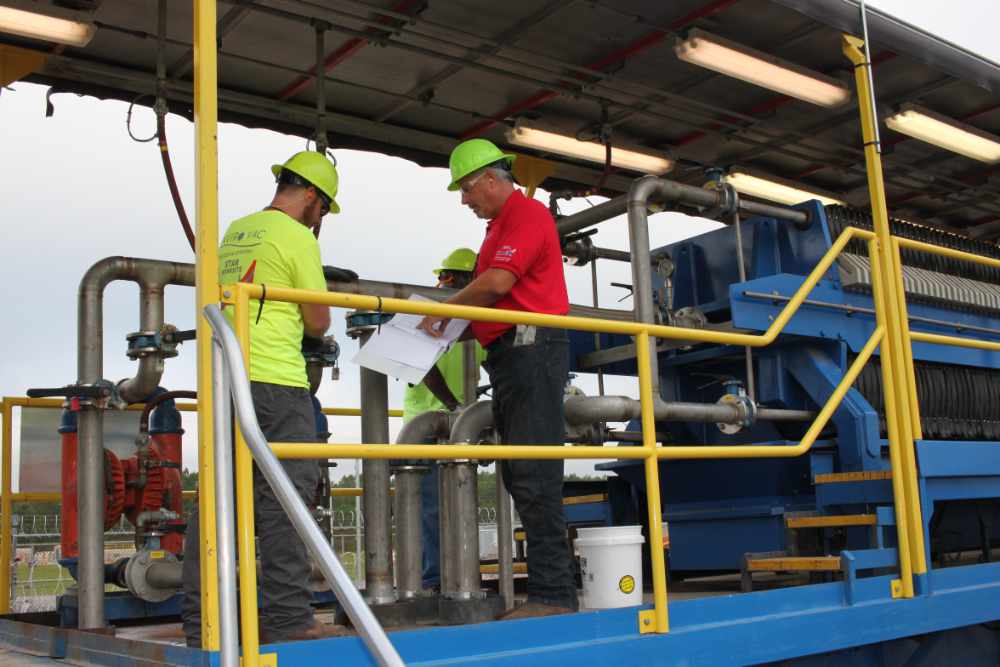
Dredging + Dewatering
We handle both steps, so dredged material is ready for efficient disposal.
Complex Waste Streams
Our team has experience handling chemically and radiologically impacted materials.
Industries & Applications
Frequently Asked Questions
What can ECOR dredge?
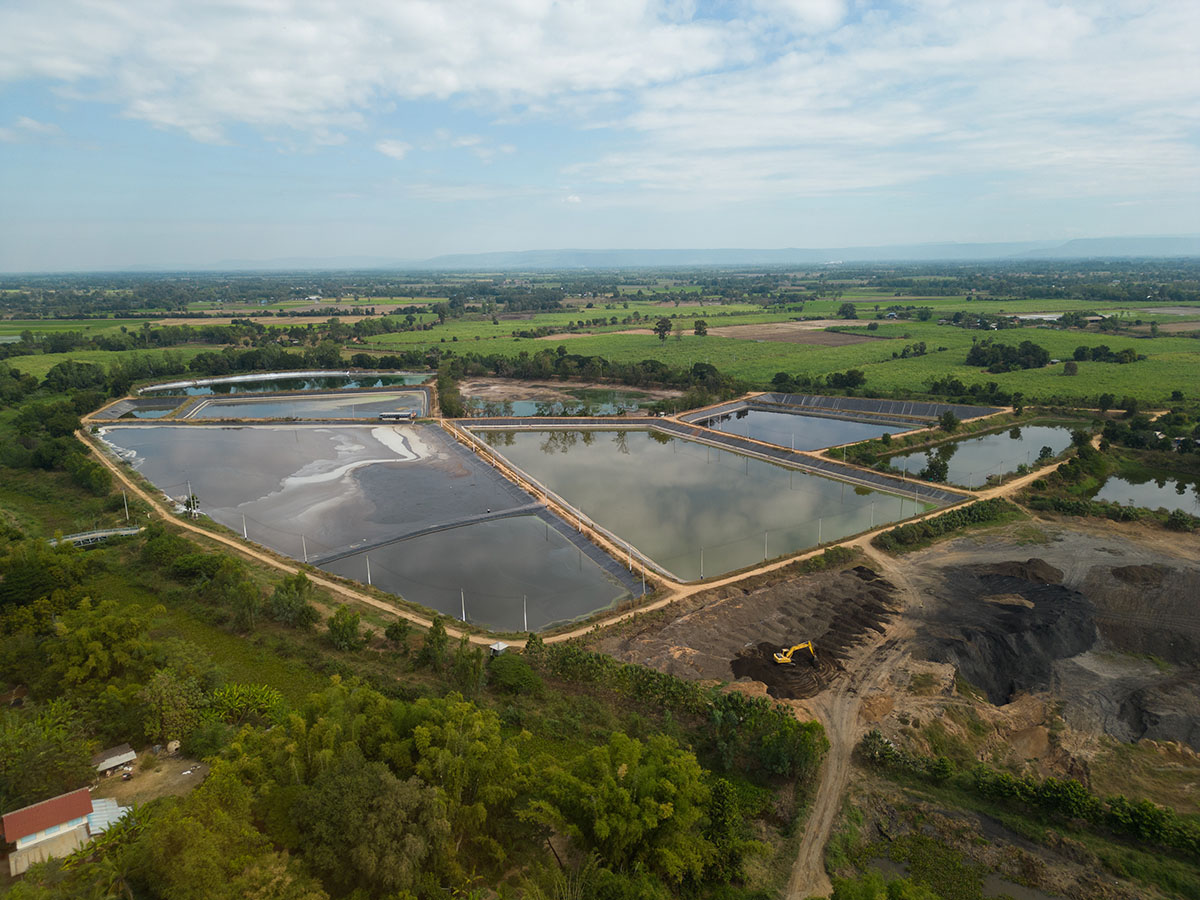
ECOR dredges ponds, lagoons, basins, impoundments and other open vessels containing sludge or sediment. This includes municipal and industrial wastewater lagoons, ash ponds, stormwater ponds and process ponds. Site surveys and sampling confirm the right approach for your project.
Do ponds or lagoons need to be drained before dredging?
In most cases, no. Hydraulic dredging works from the water's surface, so impoundments can often stay in service during the project. This avoids the cost and downtime of draining and excavation.
What happens to the material after it's dredged?
Dredged slurry is typically pumped directly to a dewatering system, such as a belt filter press or plate press . Removing the water reduces volume and weight, which lowers transportation and disposal costs.
How long does a dredging project take?
Timelines depend on sediment volume, site access and disposal requirements. Our site survey and dredge plan give you a clear estimate before work begins, and 24/7 staffing can shorten project schedules.
Do you offer dredging equipment rentals?
Yes. ECOR offers complete wastewater dredging systems for rent, including pumps, piping and support equipment, for short-term and long-term projects.
Let's Talk About Your Dredging Project
Tell us about your pond, lagoon, or basin and your project goals. Our team will evaluate your site and recommend the most efficient path forward.