Mobile Sludge Dewatering
On-Site Sludge Dewatering Services
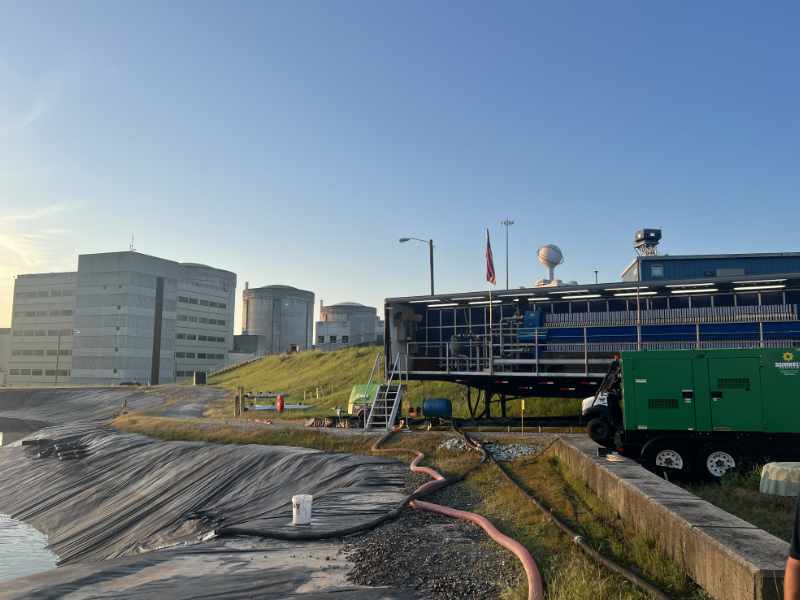
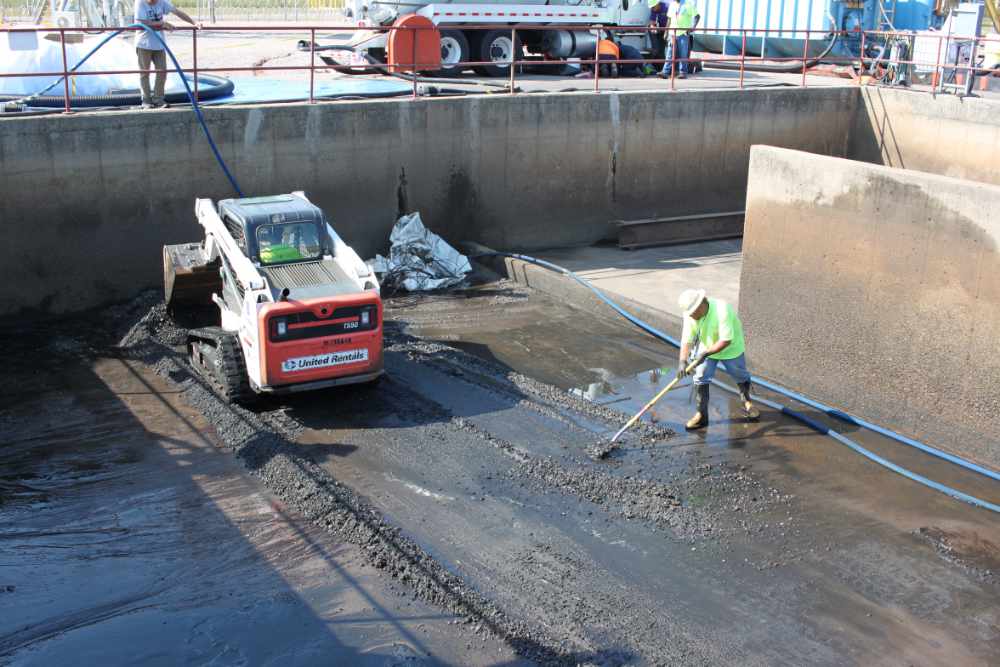
ECOR provides mobile sludge dewatering services that remove and dewater sludge from tanks, lagoons, ponds, basins and production processes. We assess your sludge, design a dewatering process around it, and operate the equipment on-site to achieve the highest possible solids content for lower-cost transportation and disposal.
Flexible Treatment
What Is Mobile Sludge Dewatering?
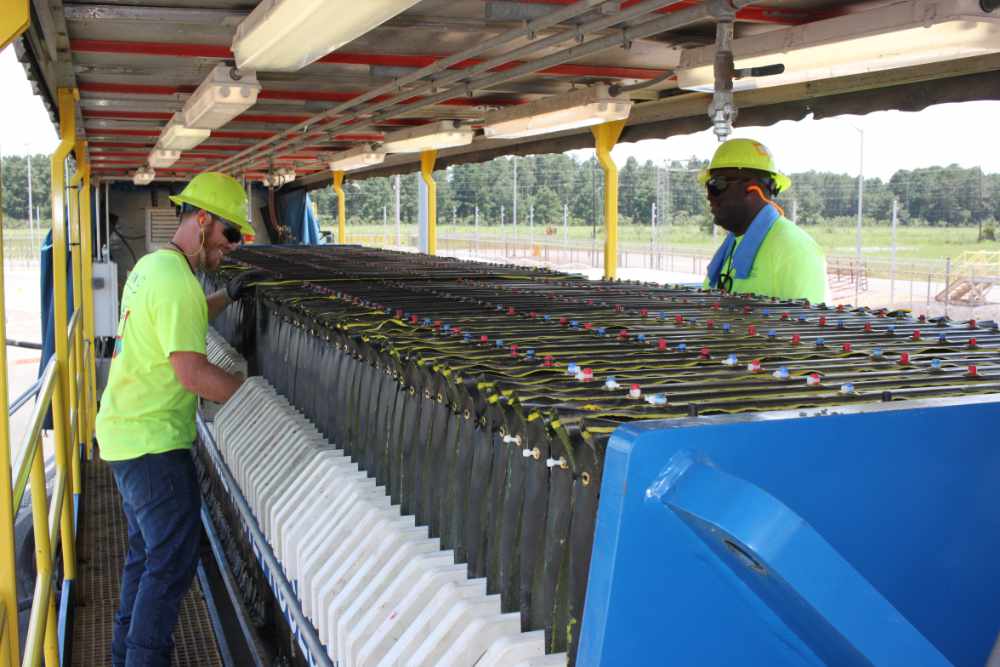
Mobile sludge dewatering uses portable equipment like belt filter presses and plate presses to separate water from solids at your site. The result is a drier, more compact material that is easier to handle, haul and dispose of, without investing in permanent dewatering infrastructure.
Common Reasons Facilities Choose Mobile Dewatering:
- Lagoon, pond, and basin cleanouts
- Tank and digester cleaning during shutdowns or maintenance
- Reducing sludge volume to lower hauling and disposal costs
- Backlogs that exceed existing dewatering capacity
- Temporary support during equipment repairs or upgrades
How It Works
Our Mobile Sludge Dewatering Process

Sludge Evaluation
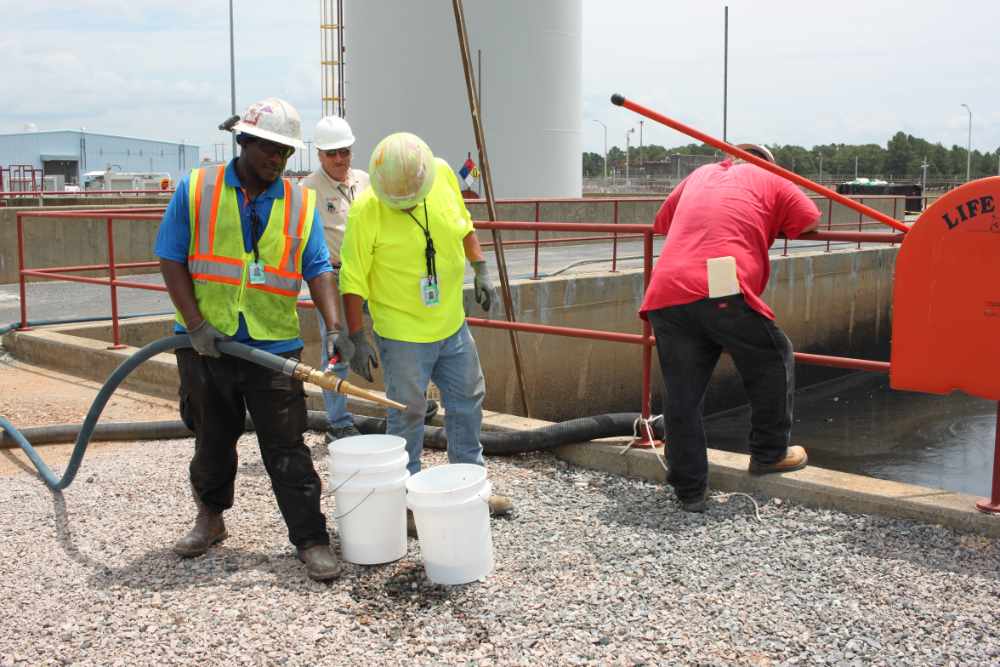
We measure sludge depth, volume and consistency on-site to determine how much material needs to be dewatered and disposed of.

Sample Analysis
We analyze sludge samples to understand solids content, chemical makeup and any regulatory or disposal considerations.

Conditioning & Bench Testing
Small-scale polymer and conditioning tests identify the right chemistry and equipment to maximize solids before full-scale work begins.
Disposal Planning
We estimate final cake volumes and disposal requirements so you have a clear, cost-effective plan before the project starts.

On-Site Dewatering & Optimization
Our crews operate and fine-tune the system throughout the project and stay engaged until final acceptance.
Why Choose ECOR
Company-Owned Equipment
We own and operate the dewatering systems we deploy.
24/7 Staffing
Our crews can staff projects around the clock for continuous operation.
Maximum Solids Content
We continually optimize conditioning and equipment settings to produce drier sludge.
Reduced Disposal Costs
Drier sludge means less volume and weight to transport and dispose of.
Complex Waste Streams
Our team has experience handling chemically and radiologically impacted materials.
Industries & Applications
Frequently Asked Questions
What types of sludge can ECOR dewater?
ECOR dewaters a wide range of industrial and municipal sludges, including biological sludge, gypsum, fly ash, mining tailings, oily sludge and process residuals. Sampling and bench testing confirm the best dewatering approach for your material.
Why is a sludge evaluation done before dewatering starts?
An on-site evaluation tells us how much sludge is present and how thick it is. That information leads to more accurate estimates of project time, equipment needs and disposal volumes, so there are fewer surprises once work begins.
What equipment does ECOR use for dewatering?
Depending on the sludge and site, we use mobile belt filter presses, filter and plate presses, batch mix tanks and chemical feed systems. Equipment is selected based on testing results and your solids and disposal goals.
What happens to the water removed from the sludge?
Filtrate can often be treated and returned to your facility for reuse or discharged in line with your permit requirements. This reduces demand on fresh water and can lower overall treatment costs.
Do you offer dewatering equipment rentals?
Yes. If you prefer to operate independently, ECOR offers mobile belt filter presses, filter and plate presses and dredging equipment for short-term and long-term rental.
Let's Talk About Your Dewatering Project
Tell us about your site, your sludge, and your disposal goals. Our team will evaluate your needs and recommend the most efficient path forward.